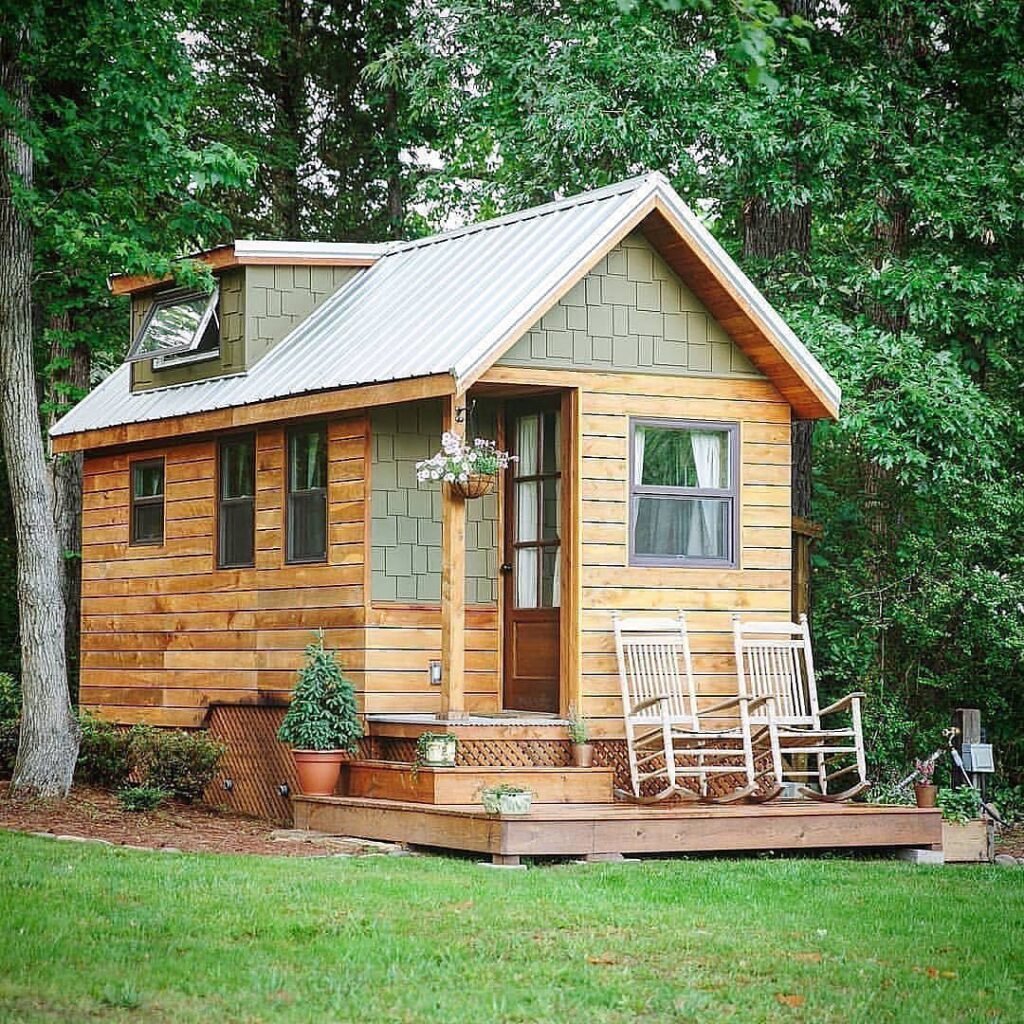
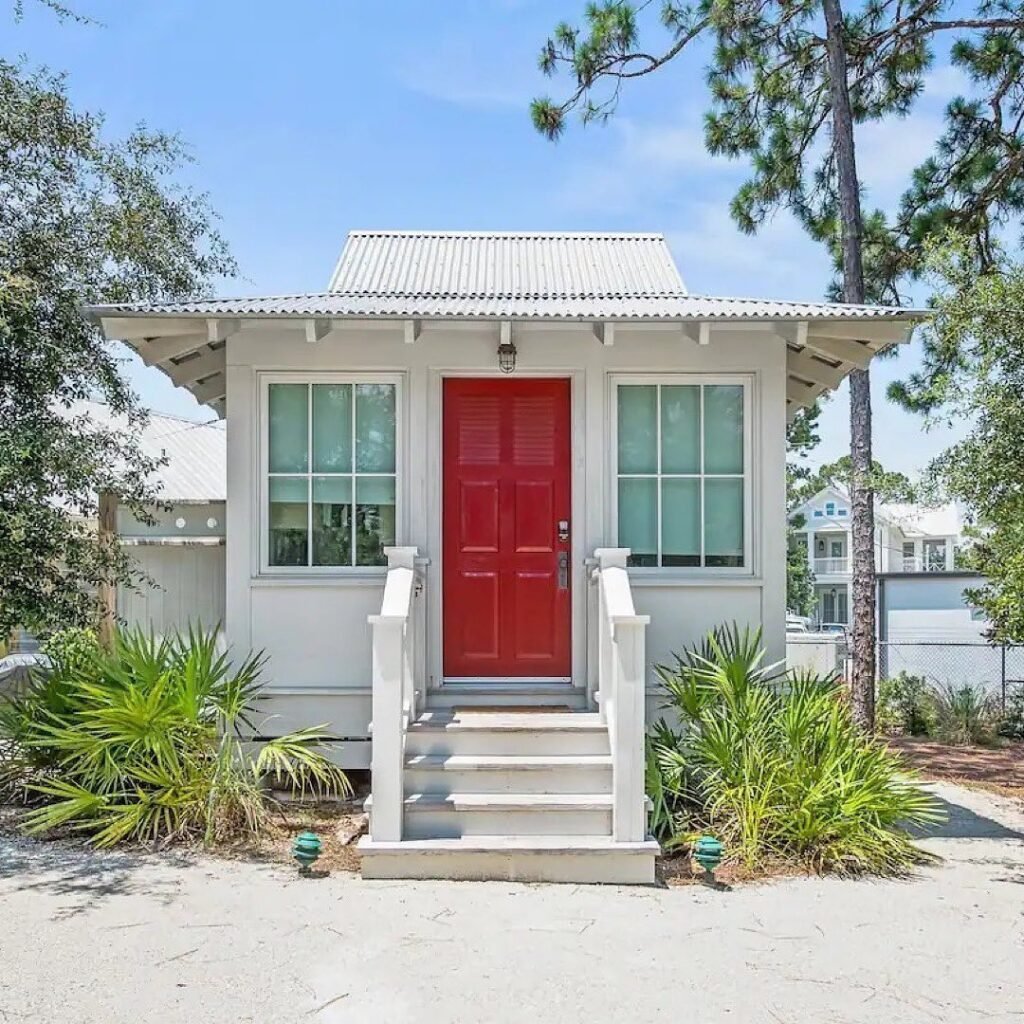
The Tiny House, a sort of mini-house halfway between a trailer and a comfortable house, is generating a lot of enthusiasm due to the eco-friendly and minimalist lifestyle it offers. Indeed, fixed or mobile Tiny Houses built on the basis of a wooden frame and mounted on a trailer, offer many advantages compared to a classic home, but also raise questions about their disadvantages. This article answers all your questions, whether you are considering purchasing a Tiny House as a primary residence (small fixed house, outbuilding, additional living space) or as a secondary home (cottage, mobile home, vacation home). Without further ado… Summary!
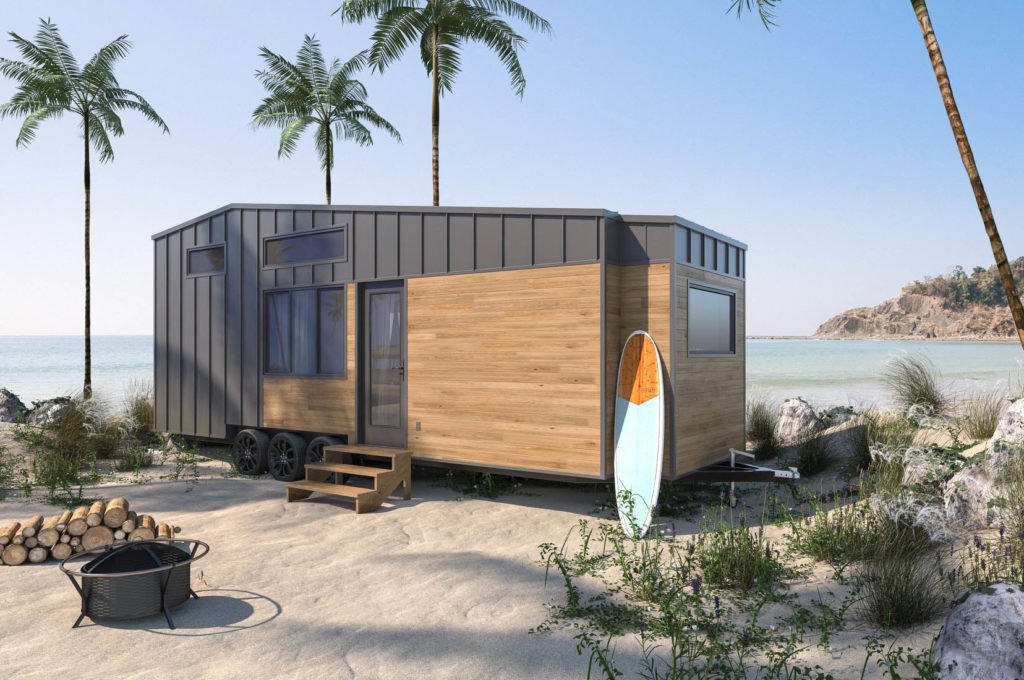
The first model of tiny house or tiny home appeared in the United States. Originally, these were sedentary wooden cabins (wood houses). In the 2000s, the concept evolved towards wooden houses of the nomadic habitat type.
This is how the tiny house on a trailer was born: a small wooden house that can move around. A real breath of independence, to be autonomous and free to move around, while enjoying the comfort of a real nomadic home.
In our opinion, the tiny house is a living solution to all these problems, because it is an ecological, mobile and autonomous house. Beyond the freedom and flexibility it brings, the tiny house is a sustainable and responsible habitat.
Reduce your consumption and gain freedom. Indeed, the tiny house is the perfect balance between mobility, autonomy, low consumption and comfort!